
Emergency Towing Arrangements
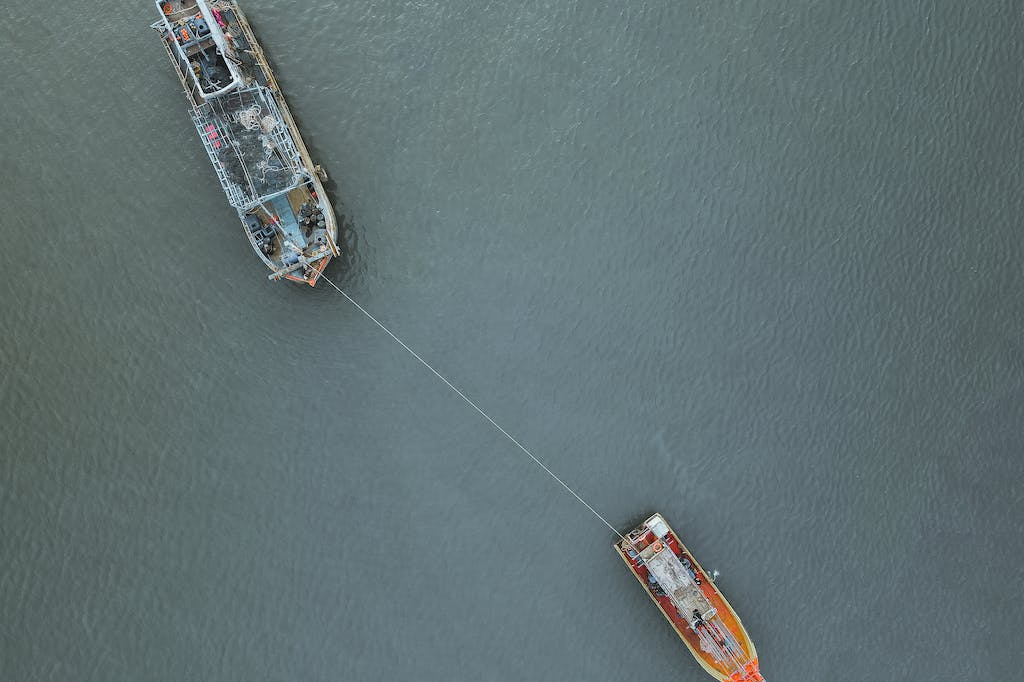
Emergency Towing Arrangements: SOLAS Rules for Tanker Pennants, and What’s Changing by 2028 Towing / Commercial marine / Technical guide An Emergency Towing Arrangement isn’t optional equipment on a tanker — it’s a SOLAS requirement, and the rules on the pennant itself are precise. Here’s what’s actually mandated, and the 2028 change that extends it well beyond tankers. Facts and figures checked against IMO resolutions and industry regulatory reporting — see references below.
SWL vs WLL vs MBL
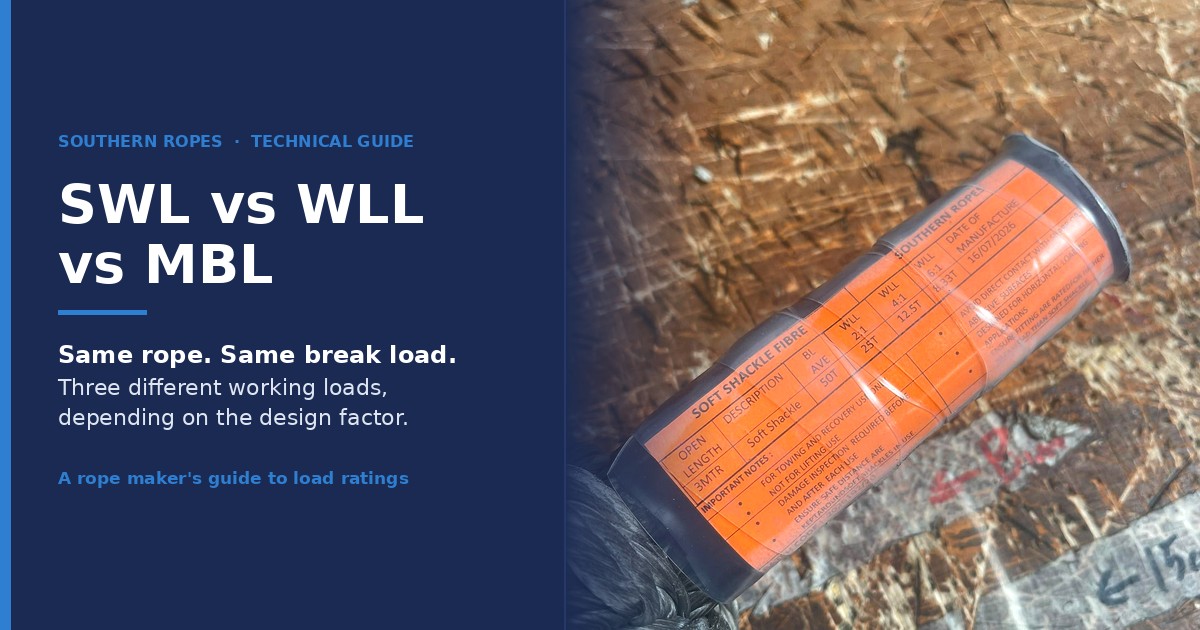
SWL vs WLL vs MBL: What’s the Difference? Lifting / Marine / Standards / Technical guide SWL, WLL and MBL get used as if they mean the same thing. They don’t, and the gap between them is what keeps a load in the air, a ship alongside and a technician on the wire.
Mooring Tails Explained
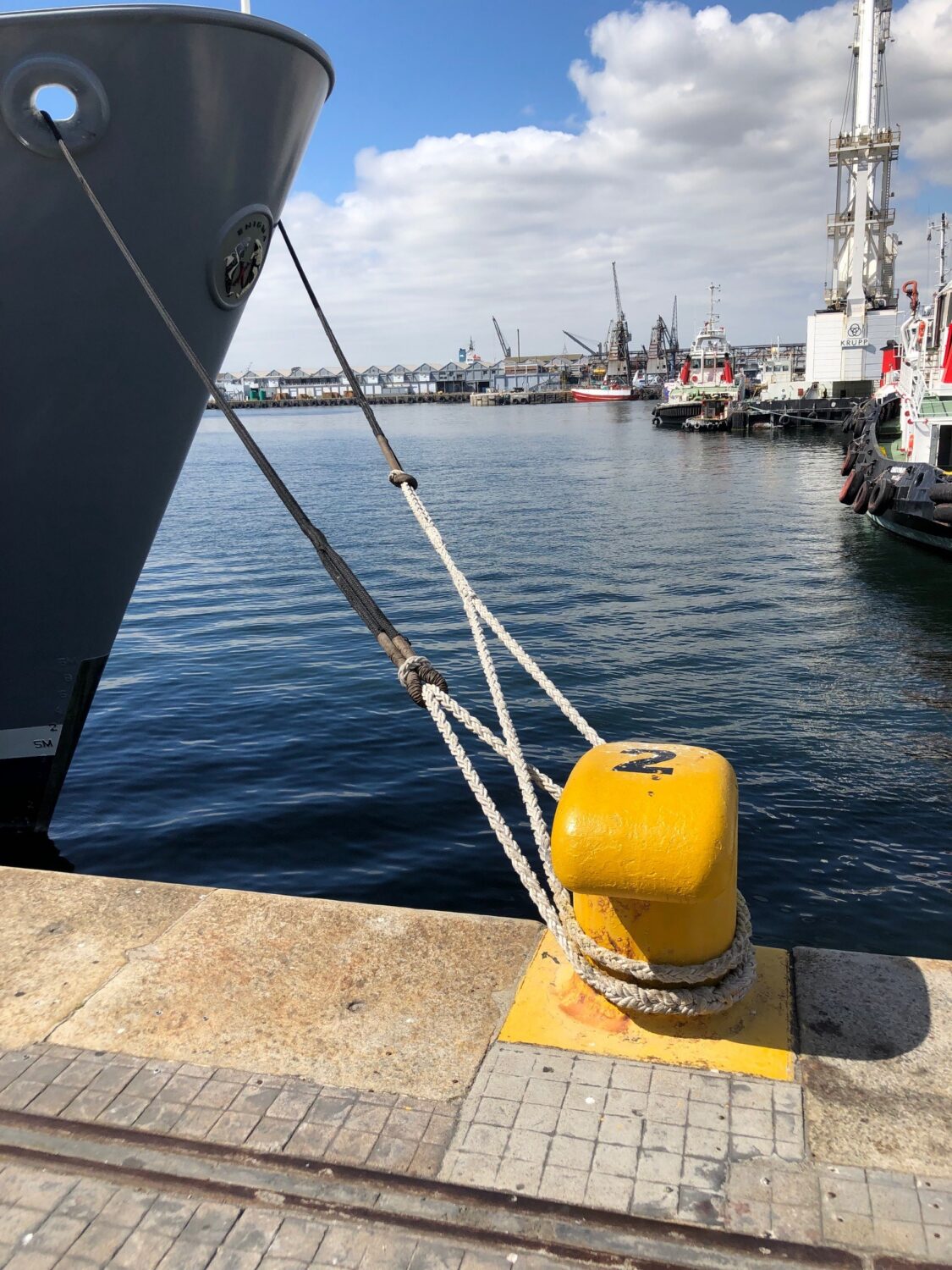
Mooring Tails Explained: Materials, Length, MBL & When They’re Required Mooring / Commercial marine / Technical guide A mooring tail is the short, elastic length spliced between a stiff mooring line and the ship — and on most tankers it isn’t optional. Here’s what it does, how it’s sized, and when OCIMF rules make it a requirement rather than a choice. Technical figures in this guide are drawn from OCIMF’s Mooring Equipment Guidelines (MEG4) and published manufacturer technical guidance — see references below.
SOUTHERN ROPES ARE ATTENDING IMPA LONDON 2026
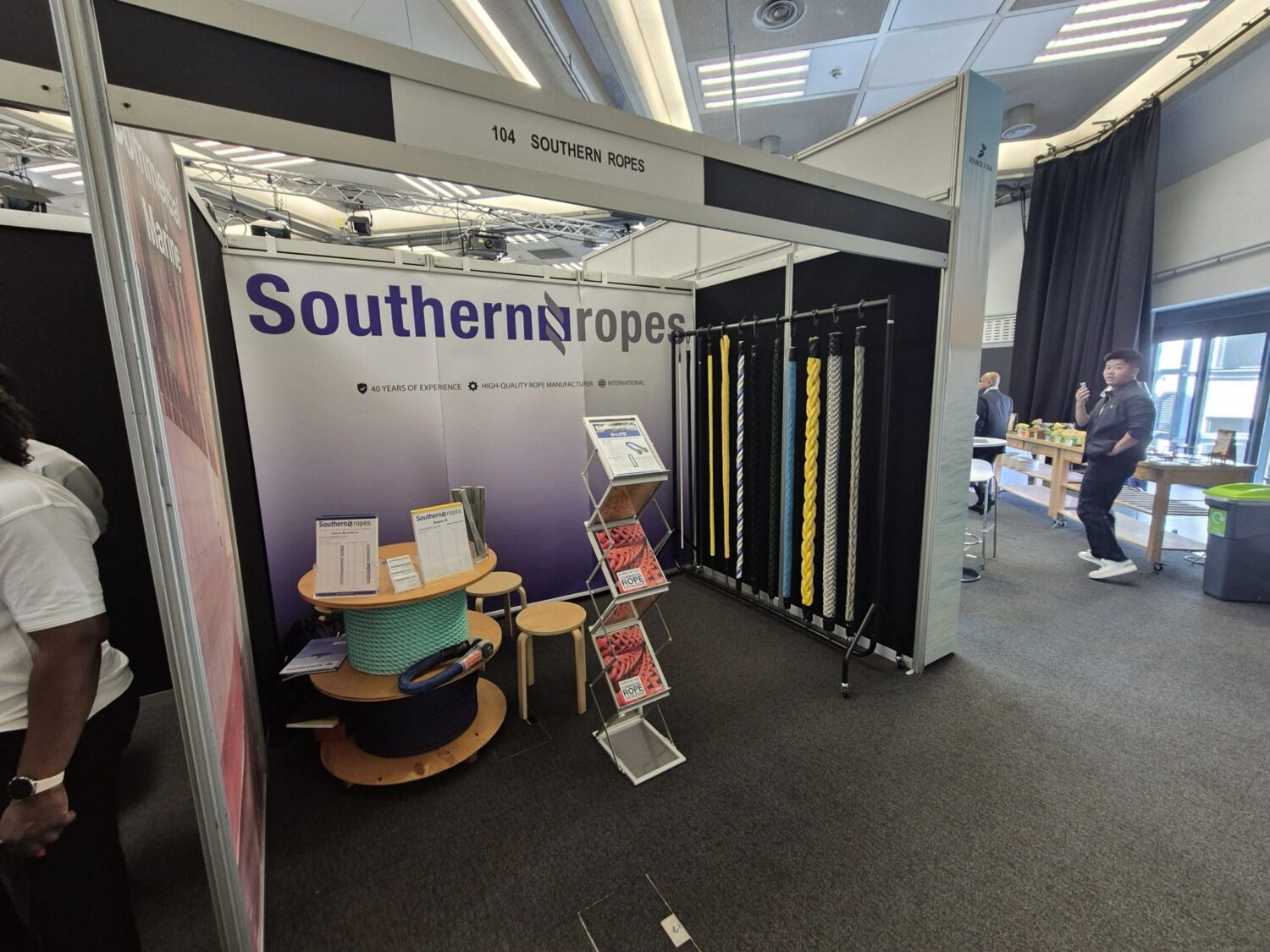
Southern Ropes UK at IMPA London 2026: What We’re Seeing in Marine Procurement News / Events / Commercial Marine Southern Ropes UK is back at IMPA London for a second year running, on 22–23 September at the QEII Centre in Westminster. Here’s what the event actually is, why we go, and — more usefully — what a year of conversations with ship managers and procurement teams has told us about how marine buying is changing.
Towing Pennants in Tug Operations
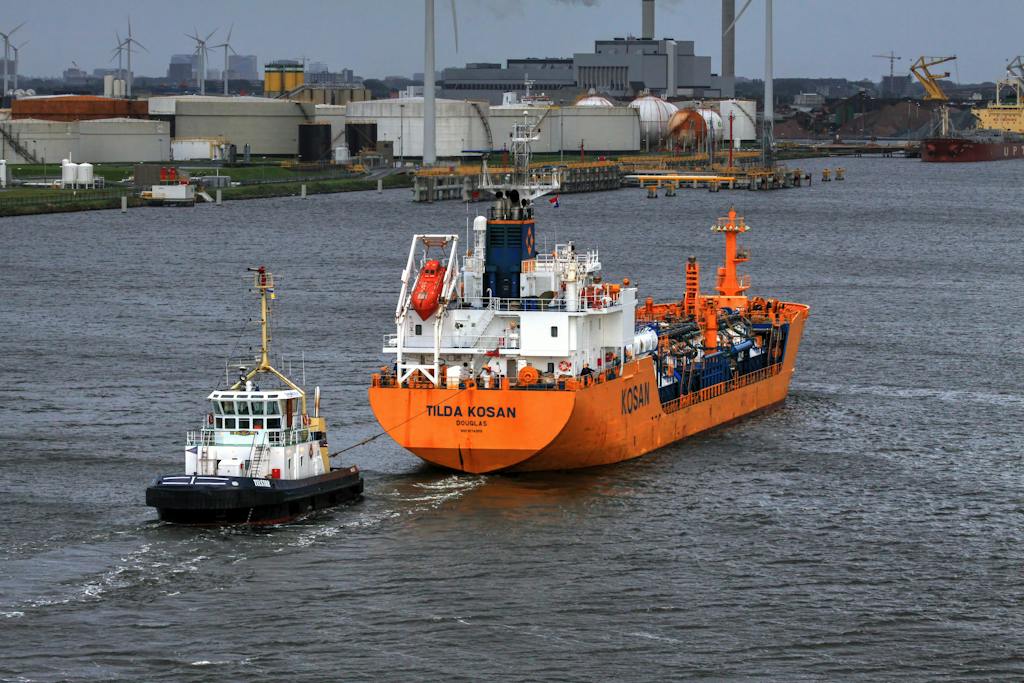
Commercial Marine / Towing / Technical Guide Towing Pennants in Tug Operations: The Sacrificial Link That Protects Your Mainline On a working tug, the pennant is one of the least expensive components in the towing assembly — yet it has a major influence on mainline life, connection speed and the reliability of the towing system under load. This guide is written for tug masters, marine superintendents and harbour towage operators: what the pennant is there to do, how the two strength philosophies differ between ship assist and ocean towing, and what two recent UK tug incidents taught the whole industry about inspection and retirement.
HMPE & Dyneema Rope Applications: Where High-Strength Fibre Earns Its Keep
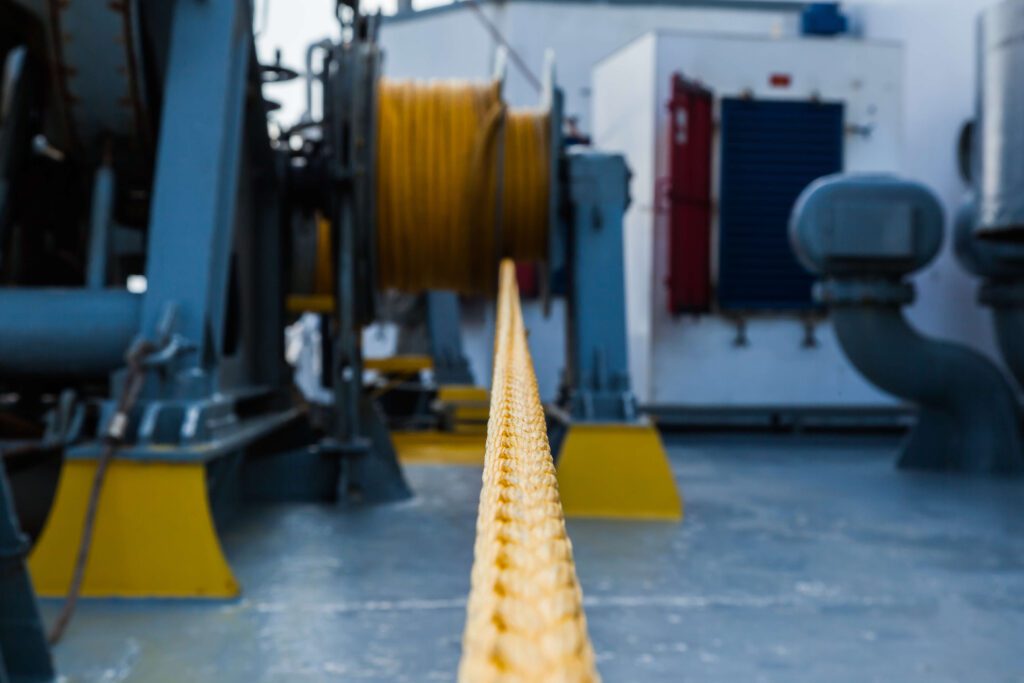
HMPE & Dyneema Rope Applications: Where High-Strength Fibre Earns Its Keep Technical guide/HMPE & Dyneema/Rope applications HMPE rope — high modulus polyethylene, best known by brand names such as Dyneema® and Spectra® — has moved from specialist niche to default specification across a growing list of demanding jobs. Weight for weight it can be up to fifteen times stronger than steel, it floats, and it carries almost none of the recoil energy that makes a parting steel line so dangerous.
How to Splice Rope
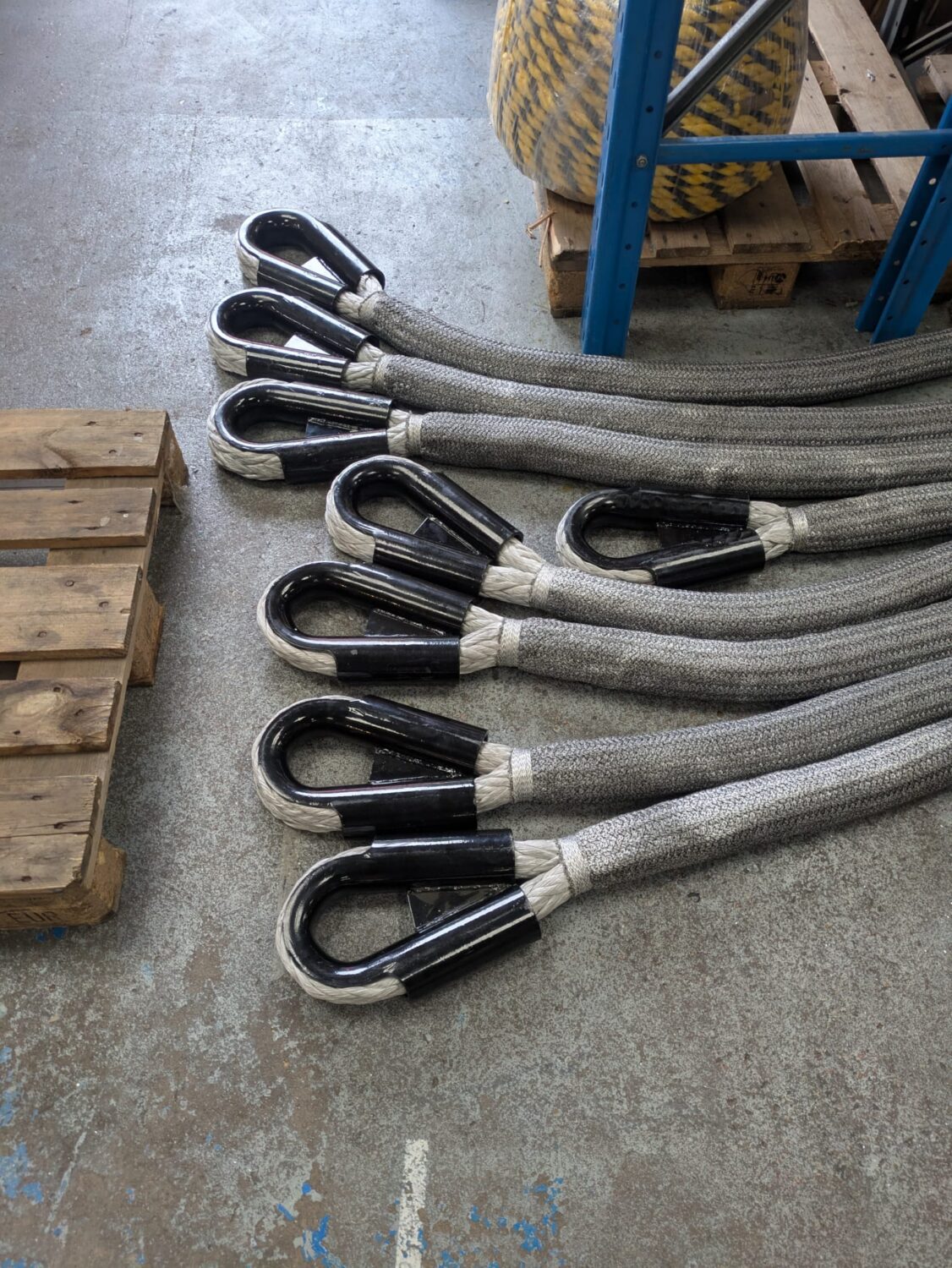
How to Splice Rope: A Step-by-Step Guide for 3-Strand and Braided Rope Technical guide/Splicing/Rope termination A splice is the strongest and neatest way to put a permanent eye, join or finished end into a rope. Done properly, a splice retains close to the full rated strength of the rope, where a knot can lose a significant proportion of it. That is why riggers, vessel crews and rope access technicians splice rather than tie whenever a termination has to be relied upon.
Soft Shackles vs Steel Shackles for Heavy Lifting
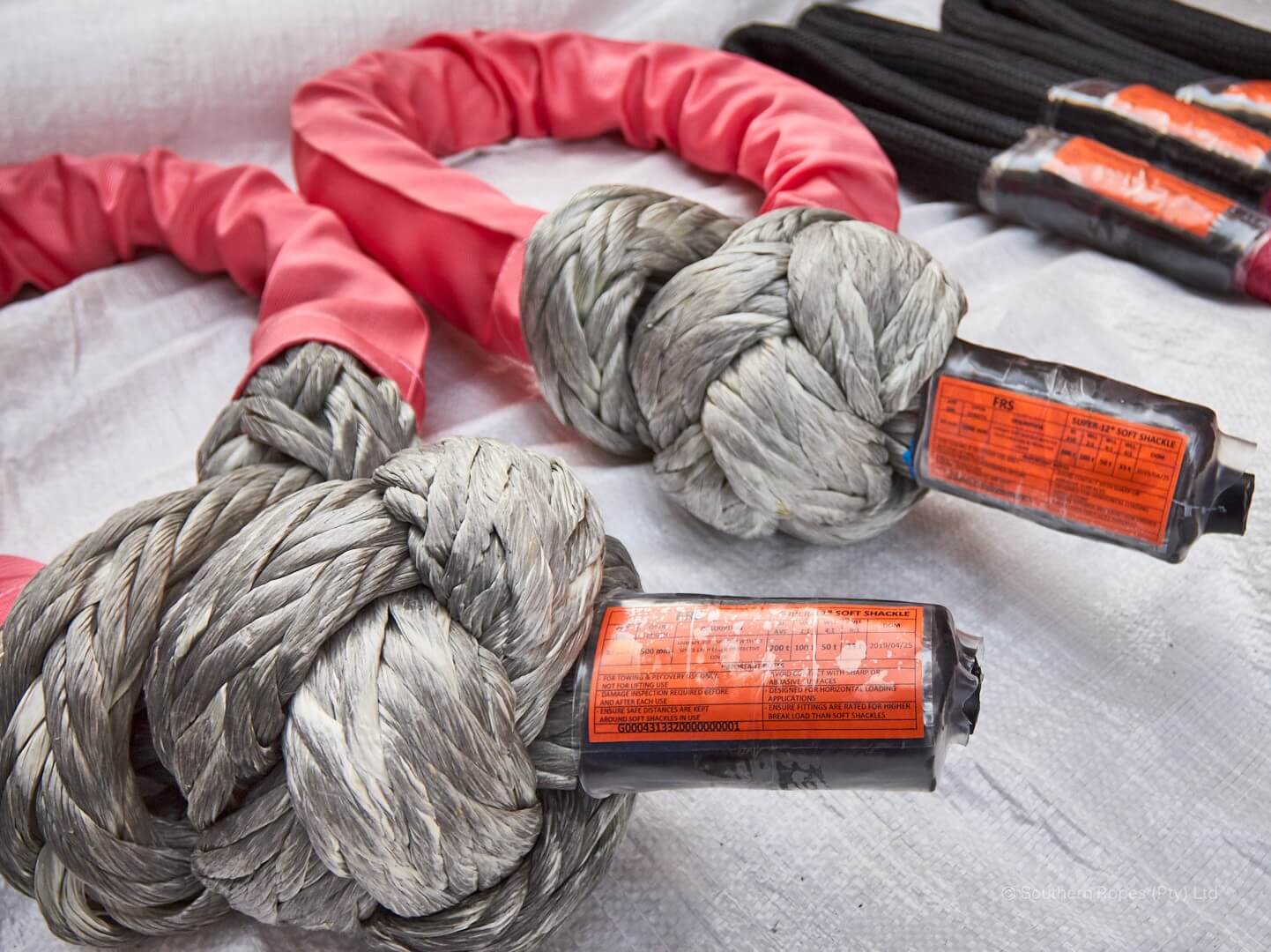
Soft Shackles vs Steel Shackles for Heavy Lifting: When to Choose Each Heavy lifting/Rigging hardware/Technical guide For commercial lifting operations above 30 tonnes, the choice between a synthetic soft shackle and a steel bow shackle is rarely automatic. Both have their place. Both can be specified correctly and safely. The question is which one suits your lift, your environment, your crew and your project economics.
Specifying Towlines for Tug and Port Operations
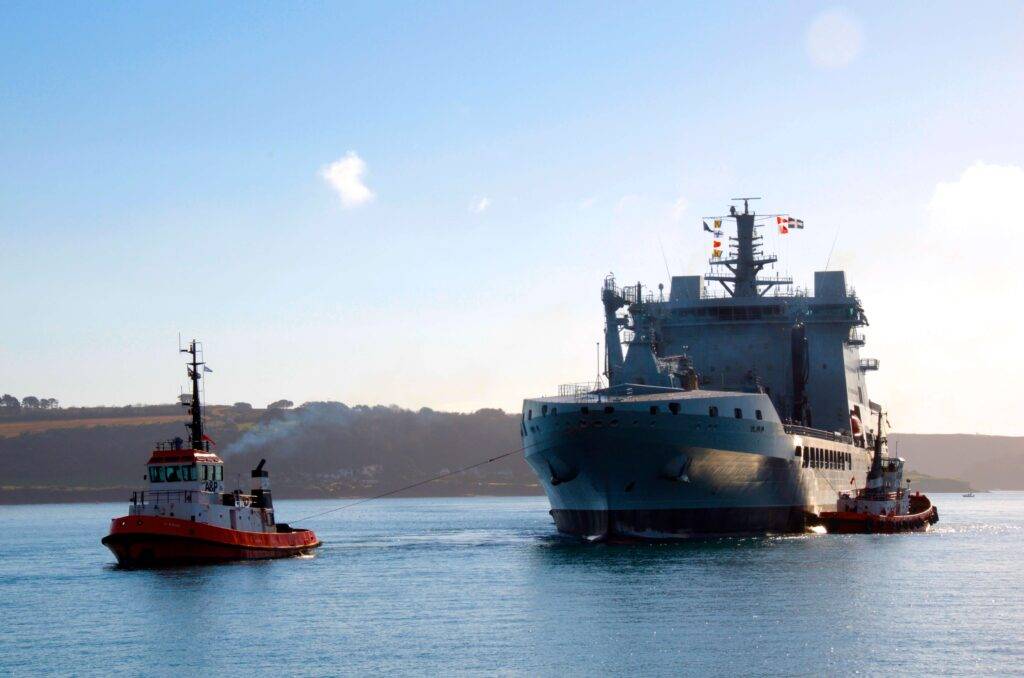
The rope on your towline is not a commodity purchase. Here is what the performance data means, where the commercial marine sector has moved, and how to choose between a coated 12-strand HMPE and a jacketed construction for your specific application.
UHMWPE Soft Shackles in Stock – 10 Tonne to 125 Tonne Break Load
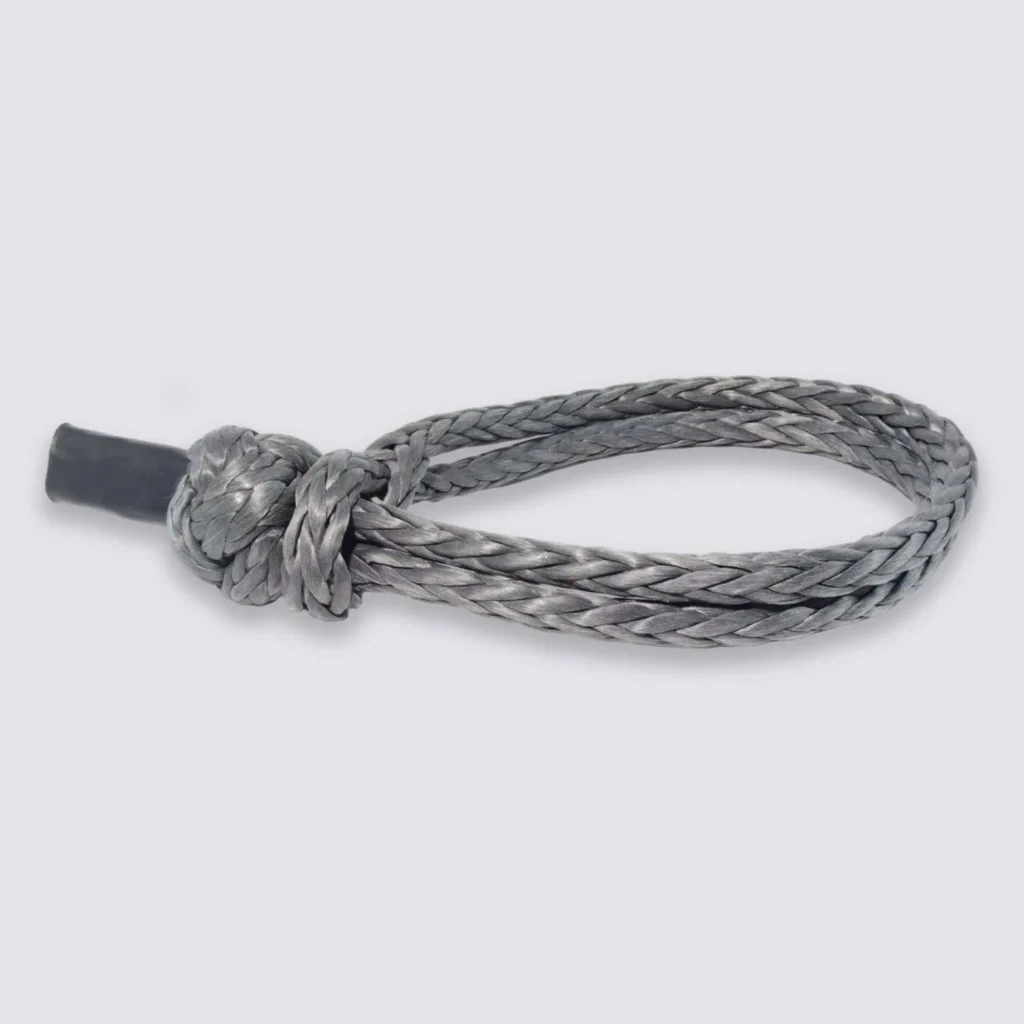
Southern Ropes UK maintains substantial UK stock of UHMWPE soft shackles, supporting marine, offshore and heavy industrial operations with dependable, high-load connection solutions.
Southern Ropes Joins IRATA as an Associate Member
Reinforcing our commitment to recognized rope access standards
D-lite shackle launch

Introducing the D-Lite® Shackle: A New Standard in Strength and Safety
Southern Ropes at SPE Offshore Europe 2025

It was fantastic to be back at SPE Offshore Europe 2025 in Aberdeen, catching up with both new and familiar faces from across the energy industry.
A&P Thrilled with Southern Ropes’ Service and Tug Lines
A&P in Falmouth rely on Southern Ropes’ custom Super-12 tug and mooring lines trusted strength, bespoke solutions, and dependable service.
Southern Ropes at IMPA London 2025
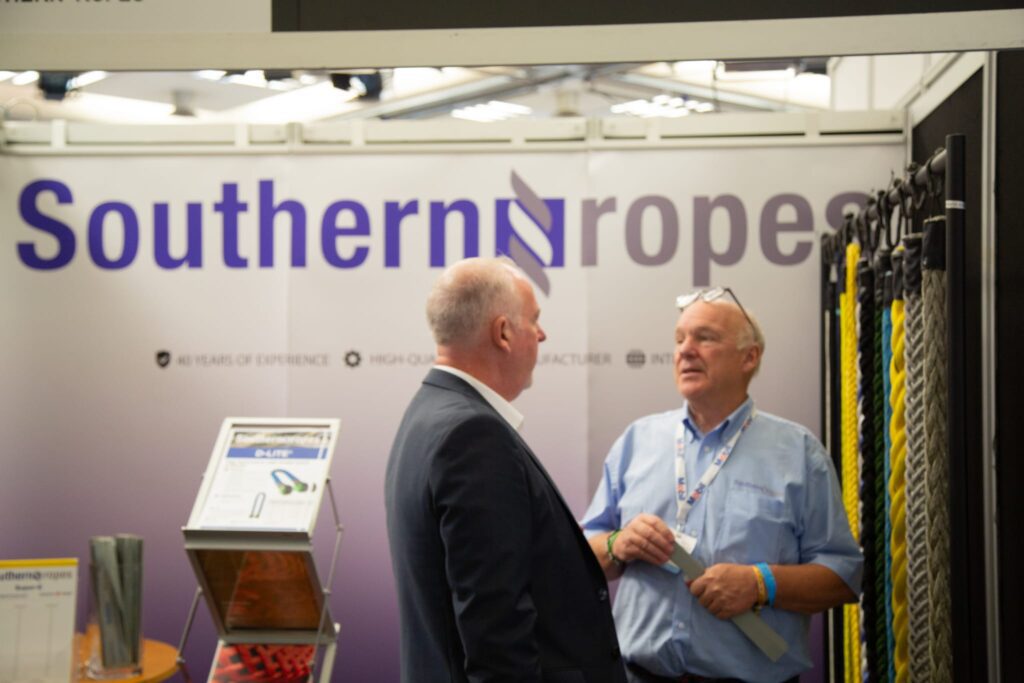
This September marked our first time exhibiting at IMPA London, the leading event for the global marine procurement sector
